TCP (Transmission Control Protocol) and RTP (Real-time Transport Protocol) are two important protocols used in computer networks for data communication. Both protocols help transfer data between devices over an IP network. However, they are designed for different communication requirements and do not perform the same function.
TCP focuses on providing reliable data transmission by ensuring that data reaches the destination correctly and in the proper order. On the other hand, RTP is designed to transmit real-time audio and video data with appropriate timing information. It is commonly used in applications such as video conferencing, Internet calling, online meetings, and live streaming.
For example, when a user downloads a file from a website, TCP helps ensure that the complete file is received correctly. During a video call, RTP helps carry audio and video packets so that they can be played at the appropriate time.
Although TCP and RTP support data communication, their working mechanisms, features, and applications are different. This article explains TCP and RTP, their differences, similarities, and whether both protocols perform the same function.
What Is TCP (Transmission Control Protocol)?
TCP (Transmission Control Protocol) is a connection-oriented transport-layer protocol that provides reliable communication between two devices over a network. It establishes a connection between the sender and receiver before transferring data.
TCP divides the data into smaller units called segments and assigns sequence numbers to them. The receiving device sends acknowledgements to confirm the successful receipt of data. If any segment is lost or damaged, TCP can retransmit it to ensure reliable delivery.
TCP also provides important mechanisms such as error detection, flow control, and congestion control. These mechanisms help maintain accurate and efficient data transmission between communicating devices.
TCP is commonly used in applications where data accuracy and complete delivery are important, such as web browsing, email communication, file transfers, and remote access.
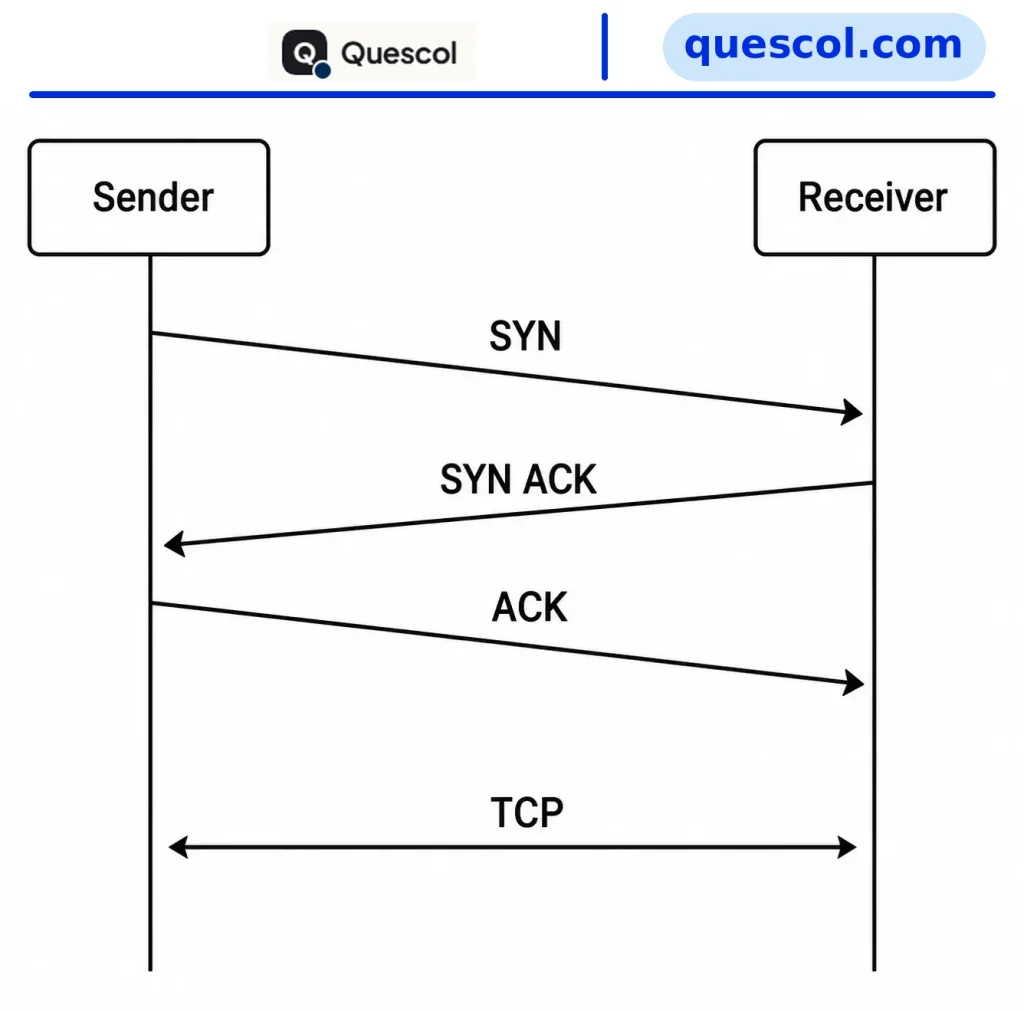
Figure: TCP Protocol
Example of TCP:
Suppose a user wants to download a PDF file from a website. TCP divides the file into smaller segments and transfers them to the user’s computer. The receiving device acknowledges the received segments, and any missing segments can be retransmitted. Finally, the segments are arranged in the correct order to reconstruct the original PDF file.
What Is RTP (Real-time Transport Protocol)?
RTP (Real-time Transport Protocol) is a communication protocol designed to transmit real-time audio, video, and other time-sensitive data over IP networks. It is mainly used in applications that require continuous multimedia communication, such as video conferencing, Internet voice calls, online meetings, and live streaming.
RTP provides important information through its packet header, including sequence numbers, timestamps, and payload type identification. Sequence numbers help the receiver identify packet order and detect missing packets, while timestamps help determine the appropriate playback timing of audio and video data.
Unlike TCP, RTP does not guarantee that every packet will reach the destination or automatically retransmit lost packets. It focuses on supporting timely multimedia delivery rather than ensuring perfect delivery of every packet.
RTP is commonly used over UDP (User Datagram Protocol) because UDP allows packets to be transmitted without waiting for acknowledgements or retransmissions. However, RTP can also operate over other suitable transport protocols.
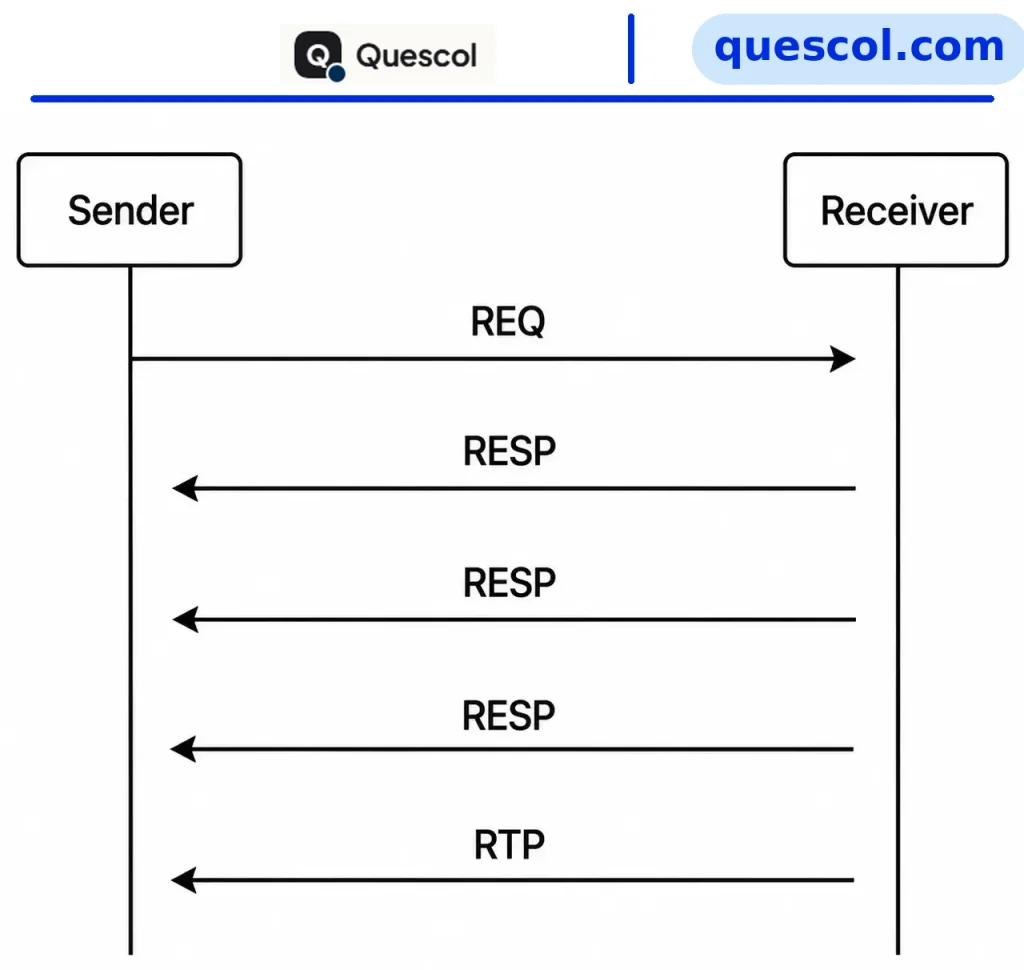
Figure: RTP Protocol
Example of RTP:
Suppose two people are communicating through a video conferencing application. Their voices and video are divided into smaller packets and transmitted using RTP. The receiver uses sequence numbers and timestamps to arrange and play the received audio and video data at the appropriate time. If some packets are delayed or lost, the application may continue playing the available media rather than waiting for retransmission.
Difference Between TCP and RTP
TCP and RTP differ in their purpose, communication mechanism, reliability, and applications. The following table explains the major differences between them.
| TCP | RTP |
|---|---|
| TCP stands for Transmission Control Protocol. | RTP stands for Real-time Transport Protocol. |
| It provides reliable data transmission. | It supports real-time audio and video transmission. |
| It is a transport-layer protocol. | It is an application-level protocol that provides real-time media transport services. |
| It is connection-oriented. | It does not establish its own connection before transmitting data. |
| It ensures reliable and ordered data delivery. | It provides sequence numbers and timestamps but does not guarantee packet delivery. |
| It uses acknowledgements to confirm data reception. | It does not provide its own acknowledgement mechanism for every packet. |
| It retransmits lost segments to support reliable delivery. | It does not provide its own automatic retransmission mechanism. |
| It uses flow control and congestion control. | It relies on other protocols and mechanisms for congestion control. |
| It focuses on data accuracy and reliability. | It focuses on real-time media transport and playback timing. |
| It is commonly used for web browsing, email, and file transfers. | It is commonly used for video conferencing, voice calls, and live streaming. |
| It transfers data using TCP segments. | It transfers multimedia information using RTP packets. |
| It uses TCP port numbers. | It commonly uses UDP port numbers, although other suitable transports are possible. |
Are TCP and RTP Doing the Same Thing?
No, TCP and RTP do not perform the same function. Although both are involved in transferring data over a network, their main objectives are different.
TCP is designed to provide reliable data communication. It ensures that data is delivered correctly, completely, and in the proper order. It is useful when losing even a small amount of data can cause problems.
RTP is designed to support real-time multimedia communication. It provides sequence numbers and timestamps that help the receiver process audio and video packets in the correct order and at the appropriate playback time. It does not guarantee that all packets will reach the destination.
The main difference can be understood through the following points:
1. Data Reliability: TCP provides reliable data delivery through acknowledgements and retransmissions. RTP does not guarantee delivery of every packet.
2. Transmission Speed and Timing: TCP may wait for missing data to be retransmitted, which can introduce delays. RTP supports real-time media delivery, where receiving data at the appropriate time is important.
3. Data Ordering: TCP delivers data to the application in the correct sequence. RTP uses sequence numbers to help the receiver identify packet order and detect missing packets.
4. Applications: TCP is suitable for file downloads, web browsing, and email communication. RTP is suitable for video calls, audio communication, and multimedia streaming.
Therefore, TCP and RTP are not alternatives that perform exactly the same job. They are designed to support different types of network communication.
How Do TCP and RTP Work Together?
TCP and RTP can be used in the same communication application because they serve different purposes.
Consider a video conferencing application in which users exchange audio, video, and text messages.
- TCP for Reliable Data: TCP can be used to transfer chat messages, login information, and other application data that requires reliable delivery.
- RTP for Real-Time Media: RTP can be used to transmit live audio and video packets between participants.
- UDP for RTP Transmission: RTP commonly operates over UDP because it avoids waiting for acknowledgements and retransmissions for every lost packet.
For example, during an online meeting, the audio and video streams may use RTP over UDP, while chat messages may use a reliable connection such as TCP.
This arrangement allows the application to handle real-time multimedia communication and reliable data exchange according to their different requirements.
Similarities Between TCP and RTP
Although TCP and RTP have different purposes, they share some common characteristics.
1. Support Data Communication: Both protocols help transfer information between devices over IP networks.
2. Use of Packets or Data Units: Both divide or carry information in manageable units during network communication. TCP uses segments, whereas RTP uses packets.
3. Support Network Applications: Both are used by network applications to exchange information between communicating devices.
4. Identification of Data: Both use header information to help process transmitted data. TCP uses sequence numbers and control fields, while RTP uses sequence numbers, timestamps, and payload type information.
5. Work with IP Networks: Both can be used for communication over IP-based networks.
Applications of TCP
TCP is widely used in applications where reliable and accurate data transmission is important.
1. Web Browsing: TCP is used with HTTP/1.1 and HTTP/2 to transfer website information between web browsers and servers.
2. Email Communication: TCP supports communication protocols such as SMTP, POP3, and IMAP for sending and retrieving email messages.
3. File Transfer: TCP is used in file transfer applications to ensure that files are transferred reliably and in the correct order.
4. Remote Access: TCP supports remote communication protocols such as SSH, which allow users to access and manage remote computers.
5. Database Communication: TCP is commonly used for communication between database clients and database servers.
Applications of RTP
RTP is mainly used in applications that require real-time audio and video transmission.
1. Video Conferencing: RTP carries audio and video packets during online meetings and video conferences.
2. Internet Voice Calls: It supports real-time voice communication through Voice over Internet Protocol (VoIP) applications.
3. Live Audio and Video Streaming: RTP can be used to transmit continuous audio and video streams over IP networks.
4. Online Meetings: It helps deliver audio and video data between participants during interactive online meetings.
5. Multimedia Communication: RTP supports real-time multimedia applications that require appropriate playback timing and packet sequencing.